How Long Does Structural Drying Take After Water Damage in Morristown?
The water is gone, the floor looks dry, and the fans are humming in the corner. So how long does structural drying take after water damage in Morristown? For most homes, three to five days of active drying with professional equipment. A small leak can be done in two or three days, while a flooded basement with hardwood floors and concrete walls can take a week to ten days or more. The real answer is not a date on the calendar. It is the day the moisture readings say the structure is dry.
If your home has water in it right now, call (973) 240-9515 any time for structural drying in Morristown. The team answers emergency calls 24/7, and the fastest drying starts the same day the water gets in.
The short answer: most jobs dry in 3 to 5 days
A clean water leak caught within hours, limited to one room with drywall and carpet, usually reaches its drying goal in three to five days. That is the figure most published guides agree on, and it matches what crews see on real jobs in Morris County. A moderate job that touches two to four rooms, with drywall that wicked water upward, also lands in that window. Drying is only one part of the whole job: extraction takes hours on the first visit, drying takes days, and repairs after drying take one to three weeks if drywall or flooring had to be removed. A finished basement after a sump pump failure often needs four to seven days, and river or storm floodwater usually needs a week or more. For the full sequence, see our guide on how long flood damage restoration takes in Morristown.
What structural drying actually is
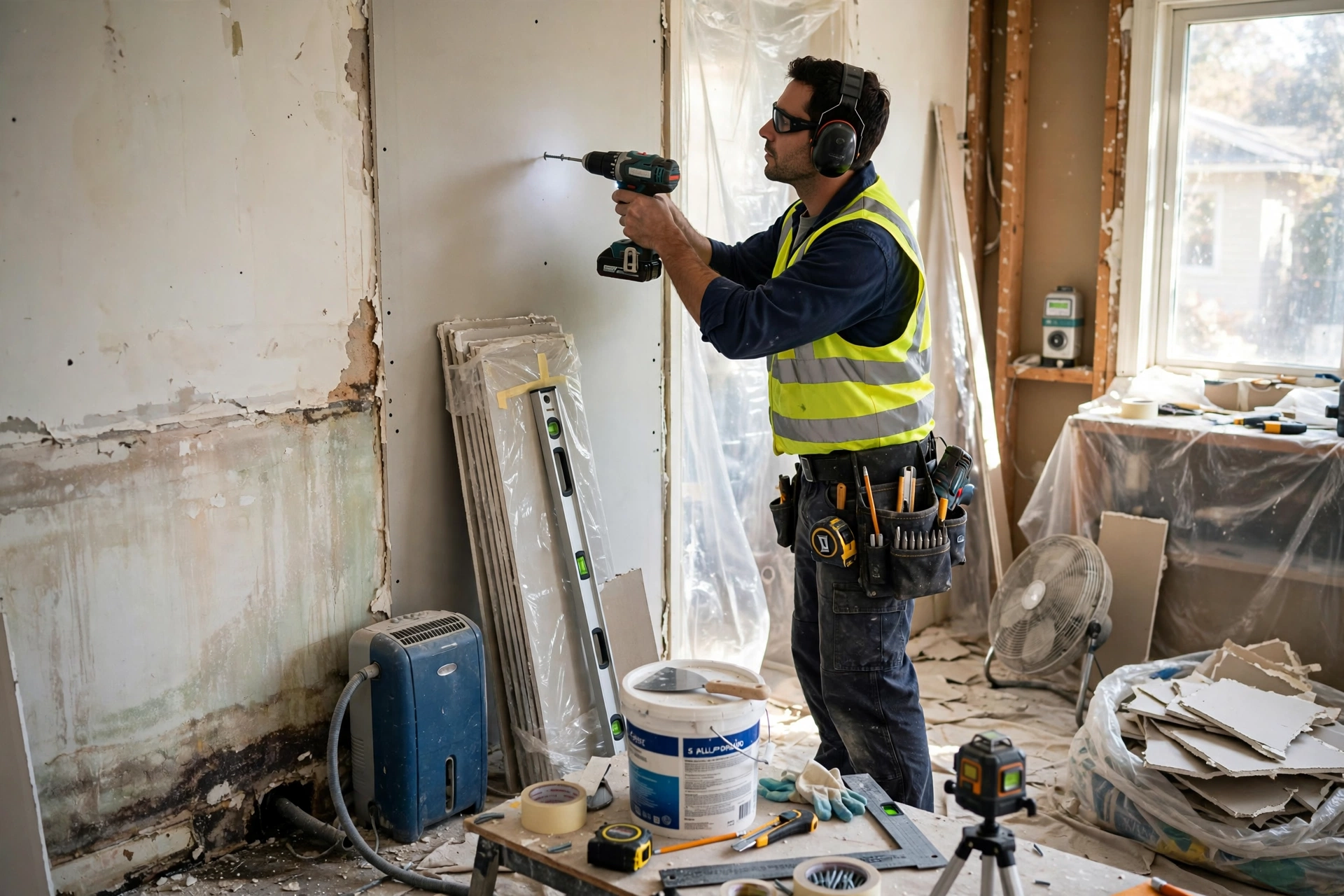
Structural drying is not the same as drying a floor you can see. It removes moisture from the materials that make up the building itself: the framing, the walls, the floors, the subfloor, and the concrete. Wood, drywall, concrete, and insulation soak up water and release it slowly. A floor can feel dry on top while the subfloor underneath is still wet, and a wall can look fine while the cavity behind it holds water. The goal is restorative drying: returning materials to their normal moisture content without tearing them out unnecessarily, following the IICRC S500 standard that restoration companies use across the country.
How long does each material take to dry?
Drying time depends on the material, not on one number for a whole house. Carpet and padding usually take two to three days, though the padding is rarely worth drying and most companies replace it. Drywall with surface wetting only takes three to four days, but drywall with a saturated cavity takes five to seven days, because drywall wicks water upward, often 12 to 24 inches above the flood line. Hardwood flooring takes five to ten days, and rushing it causes cupping and warping. Subfloor and framing take one to three weeks to release their moisture fully, even after the surfaces test dry. A concrete slab is the slowest of all, often seven to fourteen days. Flooded basements in Morristown commonly need seven to ten days or more, because below grade rooms stay cooler and more humid.
What the drying equipment does
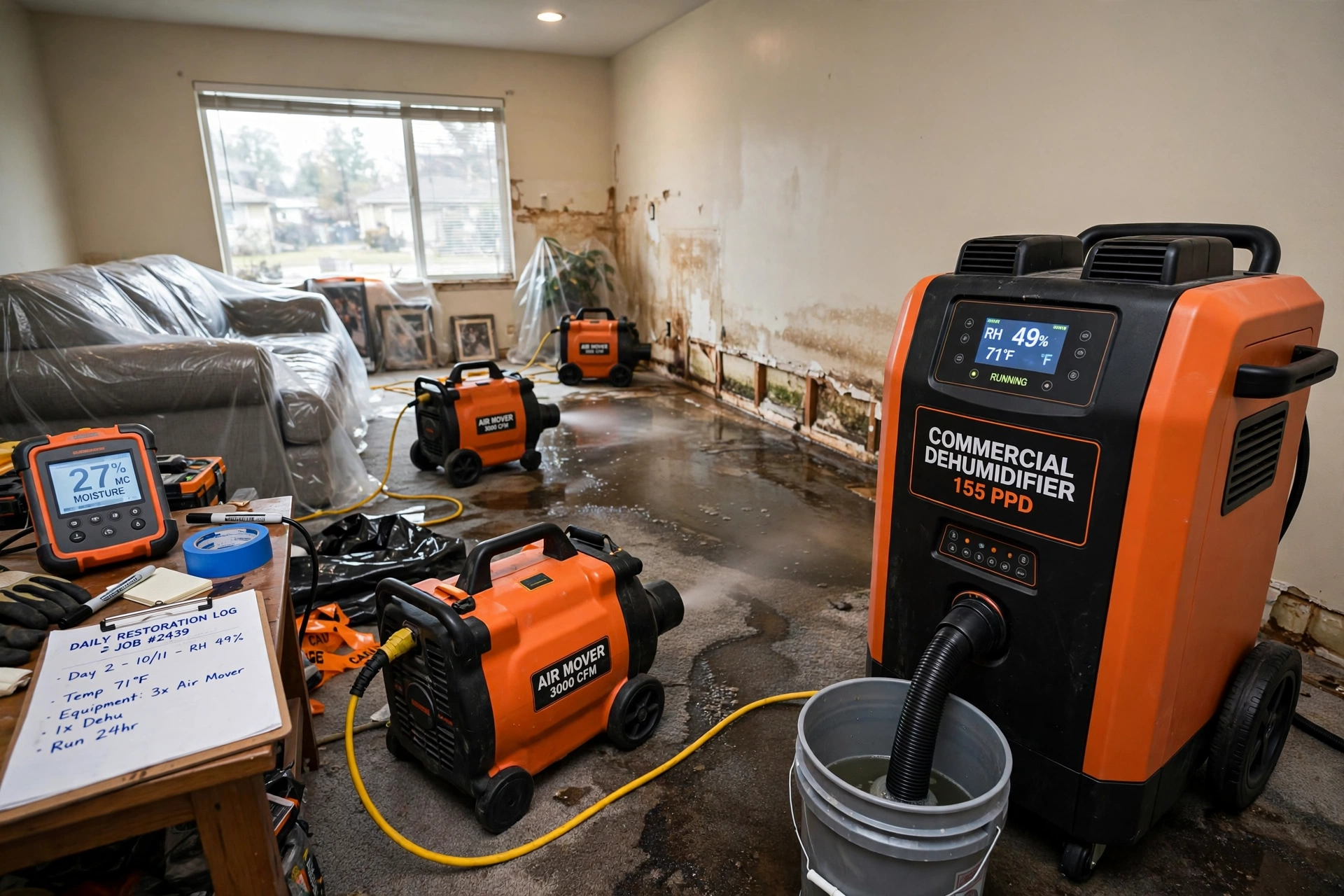
Air movers are high velocity fans placed low along walls and floors. They push fast air across wet surfaces so moisture leaves the material and enters the air. Dehumidifiers pull that moisture back out of the air. The professional standard is the low grain refrigerant, or LGR, dehumidifier, which keeps working even when indoor humidity drops below 60 percent, where a home dehumidifier stalls. A commercial LGR unit can remove 70 to 200 pints of water per day. In a cold Morristown basement in January, a desiccant dehumidifier works better, because it uses a drying wheel instead of cold coils. Moisture meters and thermal cameras do the measuring: a pin meter reads moisture inside wood and drywall, a pinless meter scans the surface, and a thermal camera shows cool wet spots, but only a meter confirms moisture. See structural drying in Morristown for the full service.
What a drying job looks like, day by day
Day one is measuring and setup. The crew stops the source, extracts standing water, maps the wet areas with meters and a thermal camera, removes what cannot be dried, and sets up the equipment. A reading is also taken on the same material in a dry part of the house. That reading becomes the target, sometimes called the dry standard: what dry looks like in your building. Days two and three are checking and adjusting. A technician returns, re-reads every monitoring point, and moves equipment from areas that are drying well to areas that are lagging. Readings that stall usually mean water is trapped somewhere, and that spot gets opened up. After that, equipment keeps running day and night while the readings fall. On the last visit, readings are confirmed, the equipment comes out, and repairs can begin. Ask for a copy of the drying log for your insurance claim.
What makes drying take longer in a Morristown home
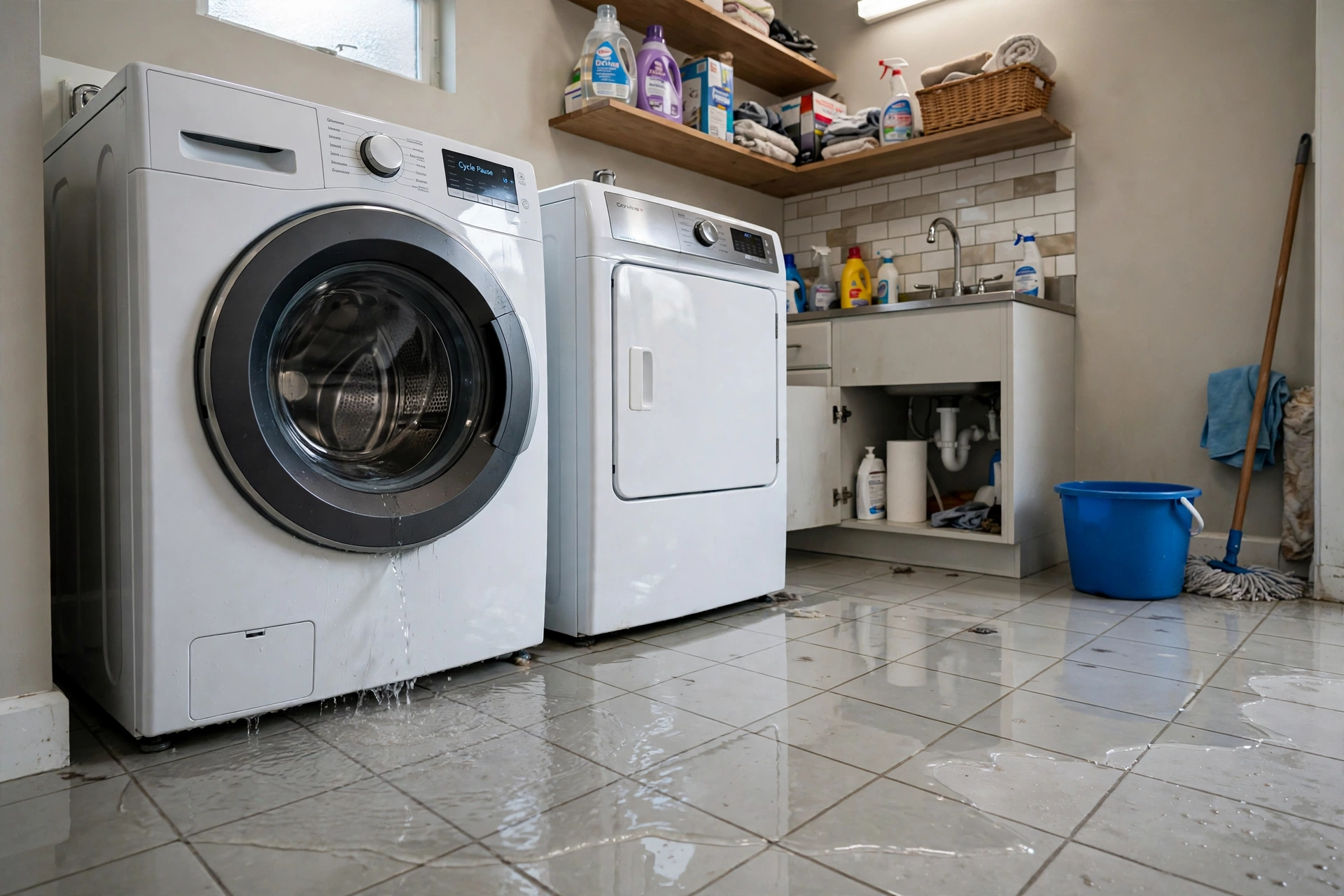
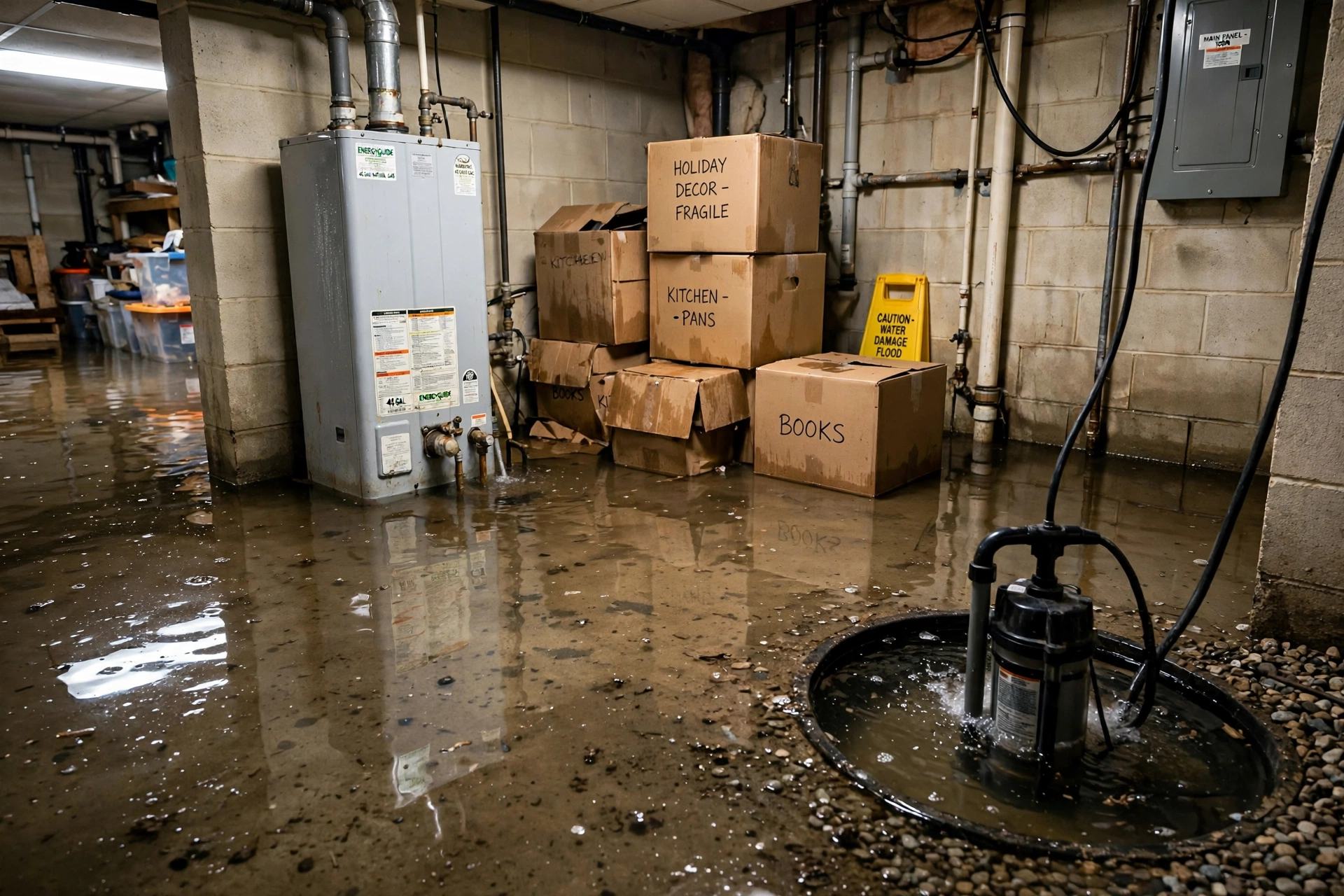
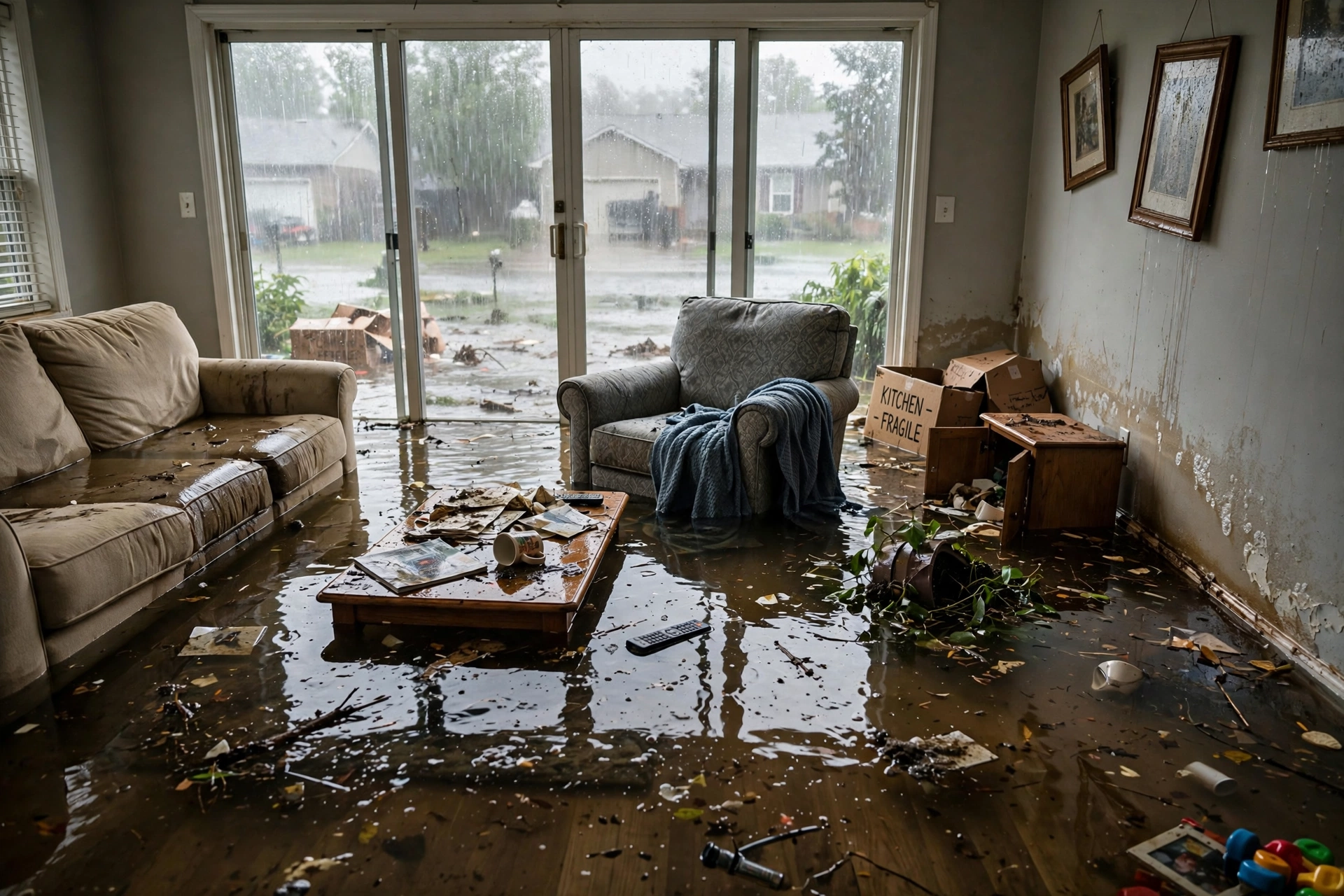
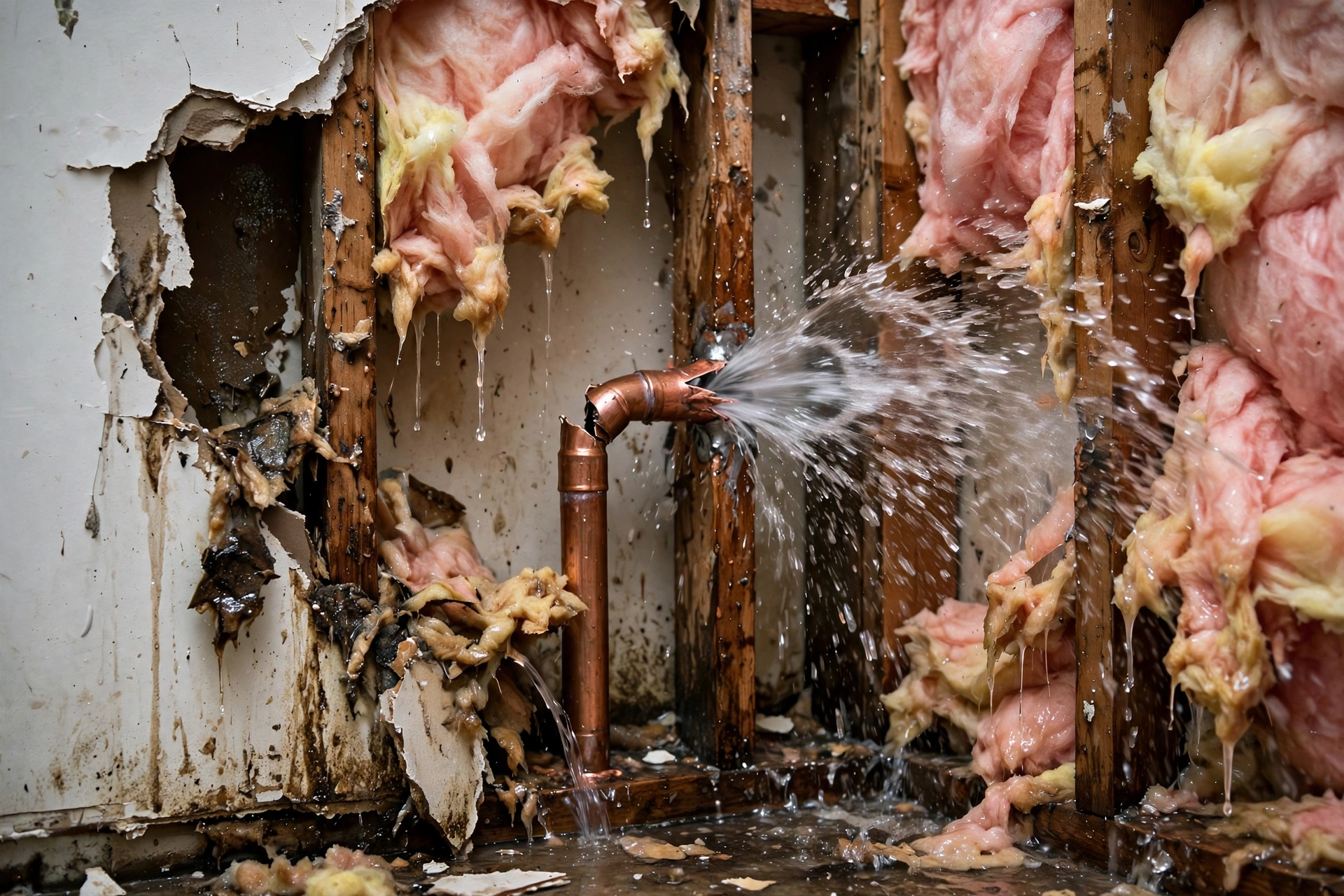
Four things set the clock. First, the category of water. Clean water from a supply line can often be dried in place. Gray water from a washing machine needs cleaning first, and the pad is usually replaced. Black water, sewage or floodwater, means soft materials are removed and surfaces are cleaned and sanitized before any drying starts. Second, how long the water sat. Water that sat for a day has wicked further up the drywall and deeper into the subfloor than water caught within an hour. A burst pipe inside a wall usually needs three to five days, and a slow leak found weeks later often needs five days or more.
Third, the materials. Many older Morristown homes have plaster over wood lath, solid hardwood floors, and stone or block foundations. Plaster, hardwood, concrete, and block are Class 4 materials in the IICRC system, which means they release water slowly and need more time. Fourth, the weather. January nights in Morristown average in the low 20s Fahrenheit, and cold concrete and cold air in a basement slow the drying, so crews may add heat. In humid summer weather, the air outside is already damp, and opening windows can make the problem worse. Morris County’s hazard plan notes that basements here face high groundwater, so drying after heavy rain can take longer, especially after the Whippany River storms of 2011 and 2021.
How do the pros know when it is dry?
A structure is dry when moisture readings in the affected materials match the readings in unaffected materials nearby, not when a fixed number of days has passed. The technician compares the wet material to the dry standard taken from an unaffected area of the same material type elsewhere in the building. Once the affected reading lines up with the dry standard, and stays there across multiple checks, that section is considered dry. Three other checks back it up: room humidity has returned to normal, the thermal camera no longer shows cool, wet spots, and there is no musty smell. If a spot keeps rising, the crew looks for the reason, such as a hidden leak or a source that is still running.
What does structural drying cost in Morristown?
There is no single price, because the size of the wet area, the water category, and the number of drying days change every job. These are typical ranges from research only, not this business’s price. In New Jersey, structural drying typically runs $2.80 to $5.80 per square foot, according to the 2026 Northeast cost index. Most structural drying jobs fall between $500 and $2,500, small clean water jobs can start around $150 to $500, and major losses with multiple rooms or contaminated water can run $2,500 to $7,500 or more. Flood cleanup as a whole, including extraction, drying, and sanitizing, typically runs $3 to $9 per square foot in northern New Jersey, with a flooded basement often landing between $4,000 and $15,000.
What happens if drying is skipped or stopped early
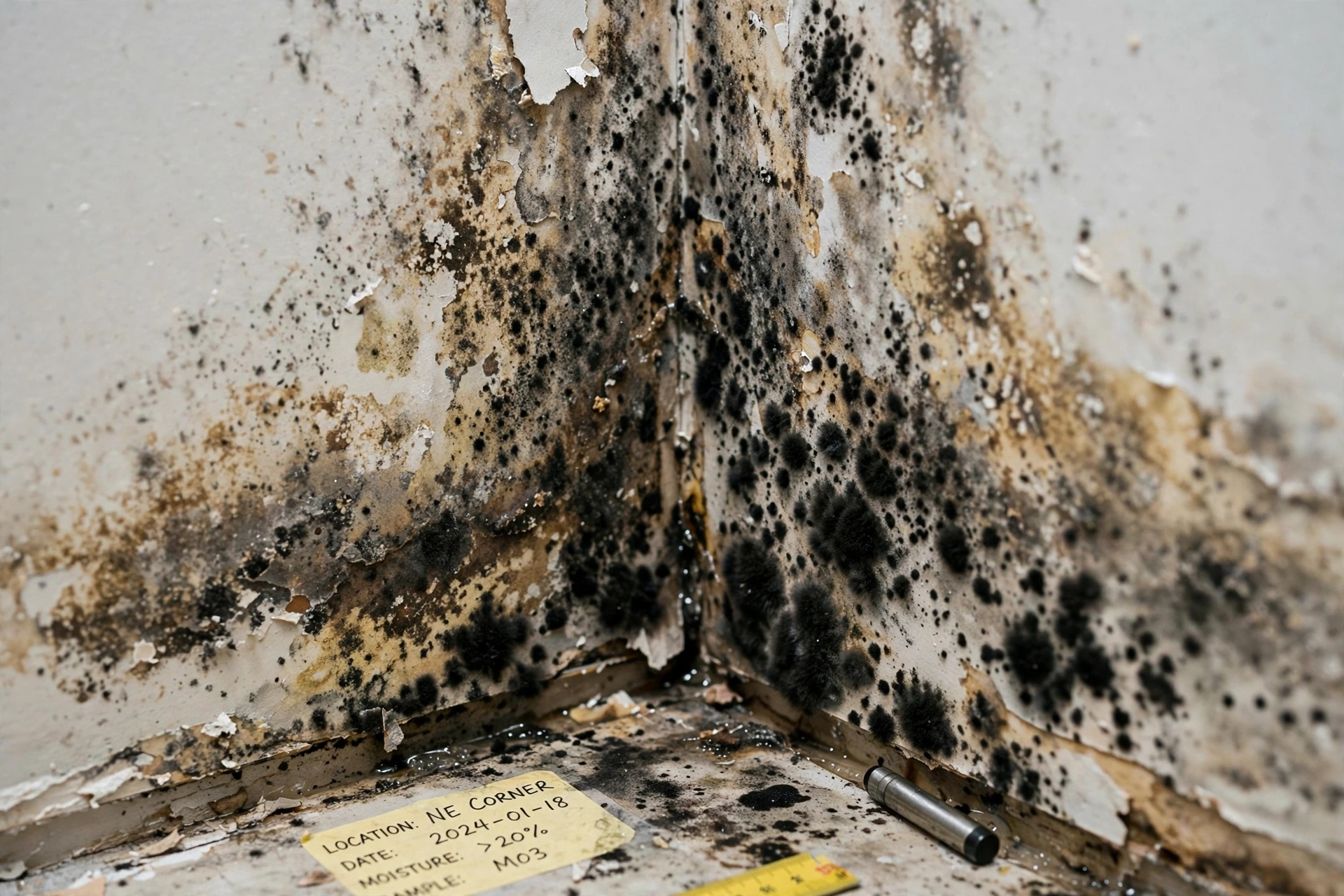
Mold can start within 24 to 48 hours in warm, damp spaces, according to EPA guidance. Wet insulation, subfloor, and carpet pad are the usual hiding places, and a surface that looks fine is no guarantee. Our guide on how long it takes for mold to grow after water damage in Morristown walks through that timeline, and if mold is already a concern, see mold remediation in Morristown. Other signs show up later: floors that cup or buckle, paint that bubbles, and drywall that crumbles. Turning the equipment off early is the most common mistake. The fans are loud, so it is tempting to switch everything off after two days when the floor feels dry. The moisture inside the walls is still there, and it will come back as a problem weeks later. Keep the equipment running, and let the readings decide when the job is done. For a burst pipe or a flooded basement, see basement flood cleanup in Morristown, and for the wider job including repairs after drying, see flood damage restoration in Morristown.
Morristown structural drying FAQs
How long does structural drying take after water damage?
Most jobs take three to five days with professional equipment running continuously. Small clean water leaks can dry in two to three days, while flooded basements, hardwood floors, and concrete can take seven to ten days or more. The job ends when moisture readings match the dry standard.
Can I dry my house myself with fans from a store?
A small spill on a hard floor, yes. A soaked wall, subfloor, or basement, no. Home fans and dehumidifiers cannot pull moisture out of dense materials, and they cannot measure what is inside a wall.
Why is my basement taking longer to dry than the upstairs?
Basements are below grade, cooler, and more humid, and concrete absorbs water deeply and releases it slowly. Morris County basements also face high groundwater after heavy rain. A flooded basement often needs seven to ten days or more.
How do I know if my walls are really dry?
A professional checks with a moisture meter, comparing the wet wall to the same material in an unaffected part of your home. When the readings match and stay steady across checks, the wall is dry. Touch alone cannot tell you, because the inside of a wall can stay wet for days after the surface feels dry.
Should I open windows to help the drying?
Usually not in Morristown summers, when the outside air is already damp and opening windows can slow the drying. Keep the drying room doors closed and let the system work.
How much does structural drying cost in Morristown?
Typical ranges from research put structural drying in New Jersey at $2.80 to $5.80 per square foot, with most jobs falling between $500 and $2,500. Flood cleanup as a whole typically runs $3 to $9 per square foot.
What happens if I turn the drying equipment off early?
The surface may feel dry while the walls, subfloor, and framing are still wet. That trapped moisture can grow mold within 24 to 48 hours and warp hardwood floors weeks later. Keep the equipment running until the readings confirm the structure is dry.
Still damp after the water is gone? Call now
If the water is out but the walls or floors still feel damp, the drying is not finished, and waiting only lets the problem grow. If a fan has been running for days and the smell is still there, or the floor is starting to cup, do not wait for it to dry on its own. Call (973) 240-9515 any time for structural drying in Morristown. We answer emergency calls 24/7, and we measure moisture until the readings say your home is dry.