How Long Does It Take for Mold to Grow After Water Damage in Morristown?
A pipe bursts in your Morristown basement, or a storm pushes water across the floor, and the puddle is gone by morning. The question that matters most is the one nobody can see yet: how long does it take for mold to grow after water damage in Morristown? The short answer is 24 to 48 hours. That is the window the EPA and the restoration industry use, and it is the reason speed matters more than anything else after water gets in.
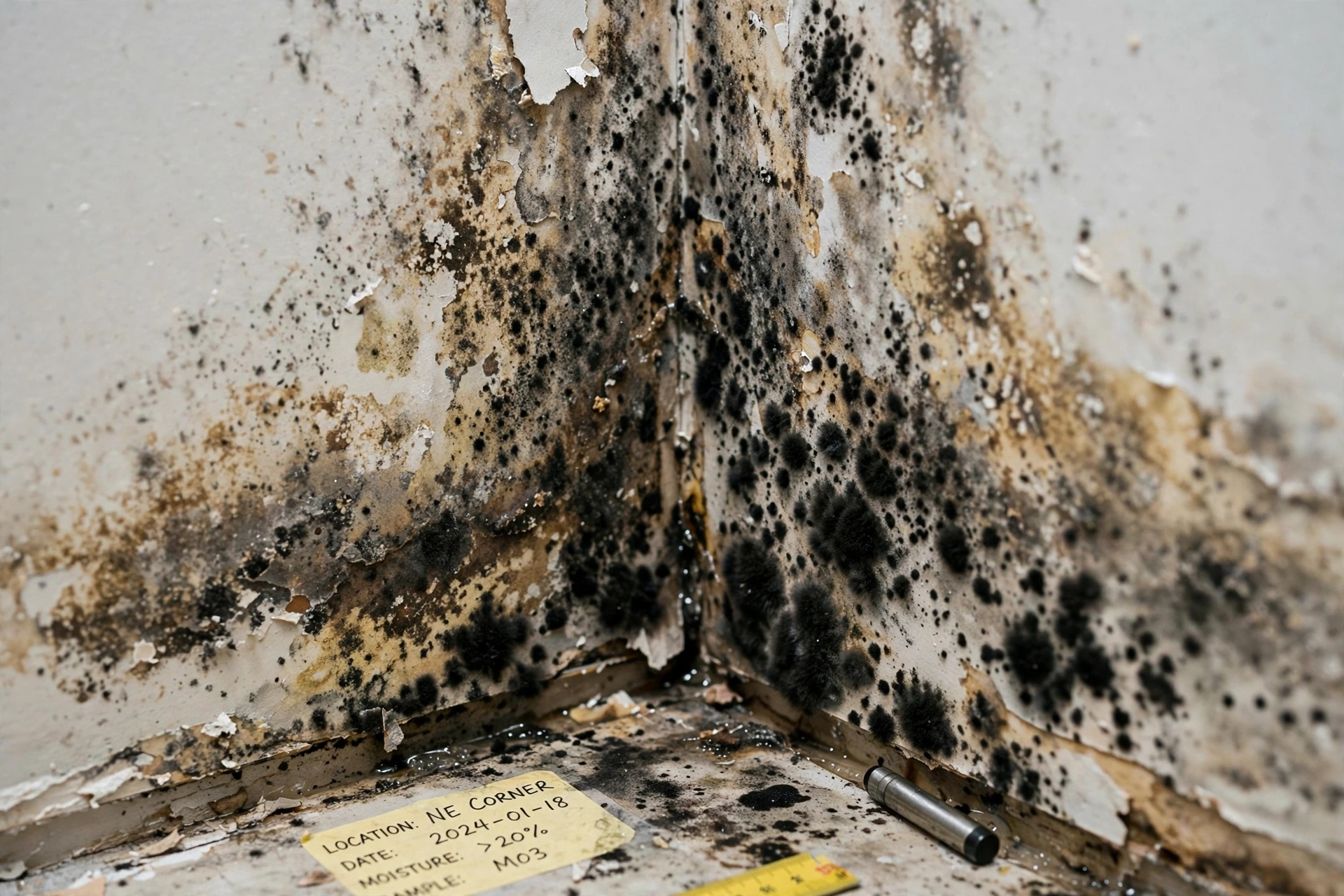
The short answer: mold can start in 24 to 48 hours
Under normal indoor conditions, mold can begin growing on wet porous materials within 24 to 48 hours of water damage. The EPA says that water damaged areas dried within 24 to 48 hours will, in most cases, not grow mold. Mold spores are already in the air of every home. Give them a wet surface, a food source like drywall paper or wood, and a warm room, and they start to grow. The clock starts when the material gets wet and stops only when it dries.
If water is in your home now, call (973) 240-9515 any time for mold remediation in Morristown. The team answers emergency calls 24/7, and the fastest way to stop mold is to start drying the same day.
The mold growth timeline after water damage
Here is what happens hour by hour and day by day when wet materials are left alone.
How fast does mold grow in the first 24 hours?
In the first hours, spores landing on the wet surface absorb water and wake up. Nothing is visible yet. Wet drywall, wood, carpet pad, and insulation soak up water fast, and the moisture spreads further into the material with every hour. Drying started in this window can often save materials that would have to be removed a day later.
What happens between 24 and 48 hours?
This is the window the EPA and the IICRC S500 standard both point to. Spores send out thin threads called hyphae that anchor into the material, and early mold networks start forming inside porous surfaces. Still nothing you can see with the naked eye. If drying starts now, the growth can still be stopped. If the material stays wet past this point, the job changes from drying to remediation.
When does mold become visible after water damage?
Visible growth typically appears in 3 to 7 days, sometimes up to 12 days, depending on the material, the temperature, and how wet things stayed. It can look black, green, white, or pink. A musty smell often arrives at this stage too, and it may show up before you see anything, especially if the growth is inside a wall. After a week or two of sustained moisture, mold is deeply embedded in porous materials, and hidden colonies can form 1 to 3 weeks before any visible sign appears. The well known black mold, Stachybotrys chartarum, usually needs 7 to 10 days of sustained moisture to take hold, but once it reaches drywall paper it spreads fast.
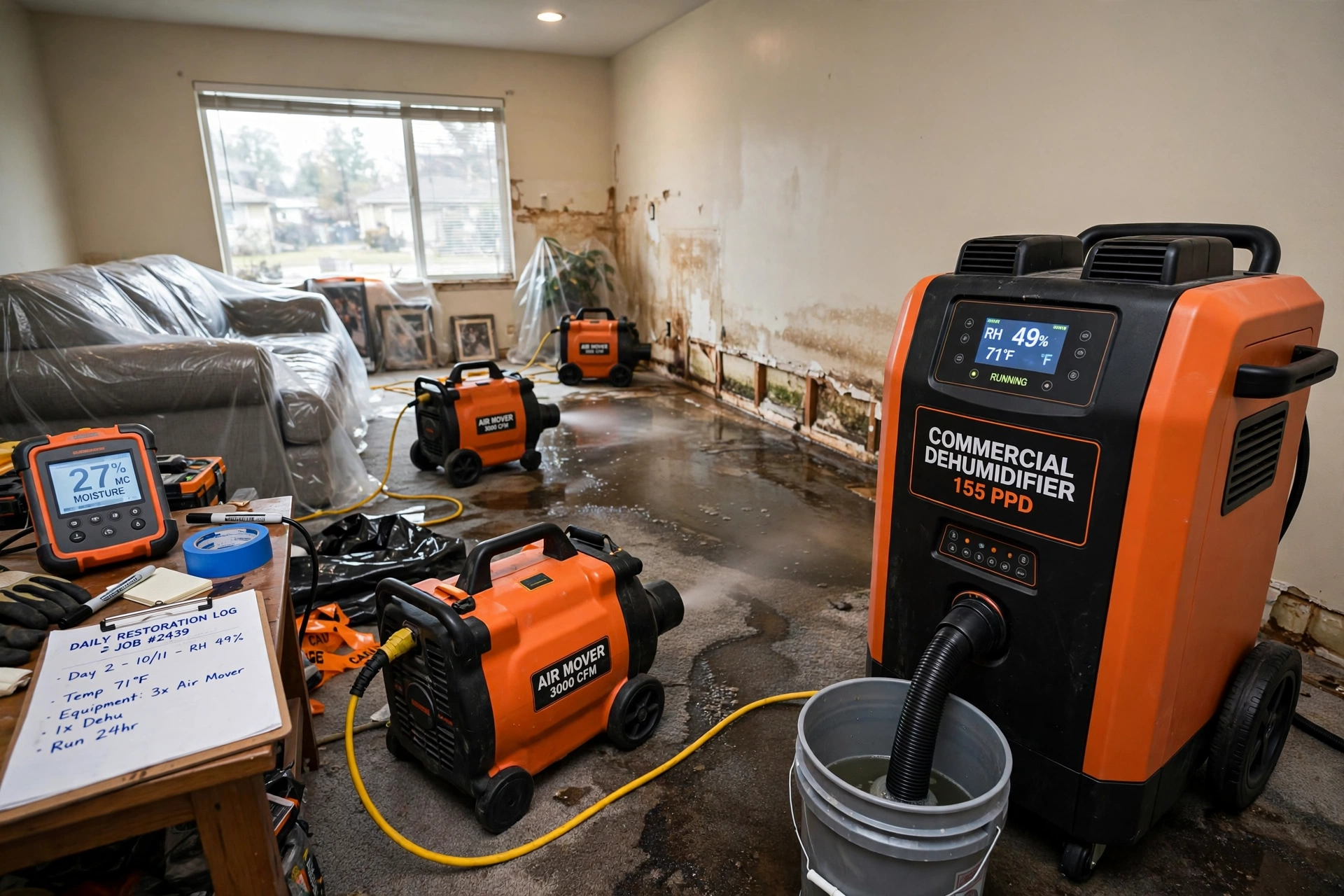
What makes mold grow faster in a Morristown home
Mold does not grow at the same speed in every house. Four things set the pace, and Morristown homes have their own version of each one.
First, the material. Porous, cellulose rich materials are mold food. Drywall paper, wood, MDF, carpet pad, insulation, and cardboard are the fastest to grow mold. Hard surfaces like tile, glass, and metal resist it much longer.
Second, temperature. Most molds common in water damaged buildings grow most aggressively between 60 and 85 degrees Fahrenheit, which is normal indoor temperature in a Morristown home for most of the year.
Third, humidity. When indoor humidity stays above 60 percent, mold growth speeds up sharply. New Jersey summers are humid, and a wet basement after a summer storm can stay above that line for days without dehumidification.
Fourth, still air and hidden spaces. Mold loves wall cavities, the backs of cabinets, under flooring, and behind finished basement walls, because those places stay damp and undisturbed. Many Morristown homes, especially in the Historic District and older neighborhoods, have stone or block foundations, plaster walls, and finished basements that hold moisture longer than a new slab home.
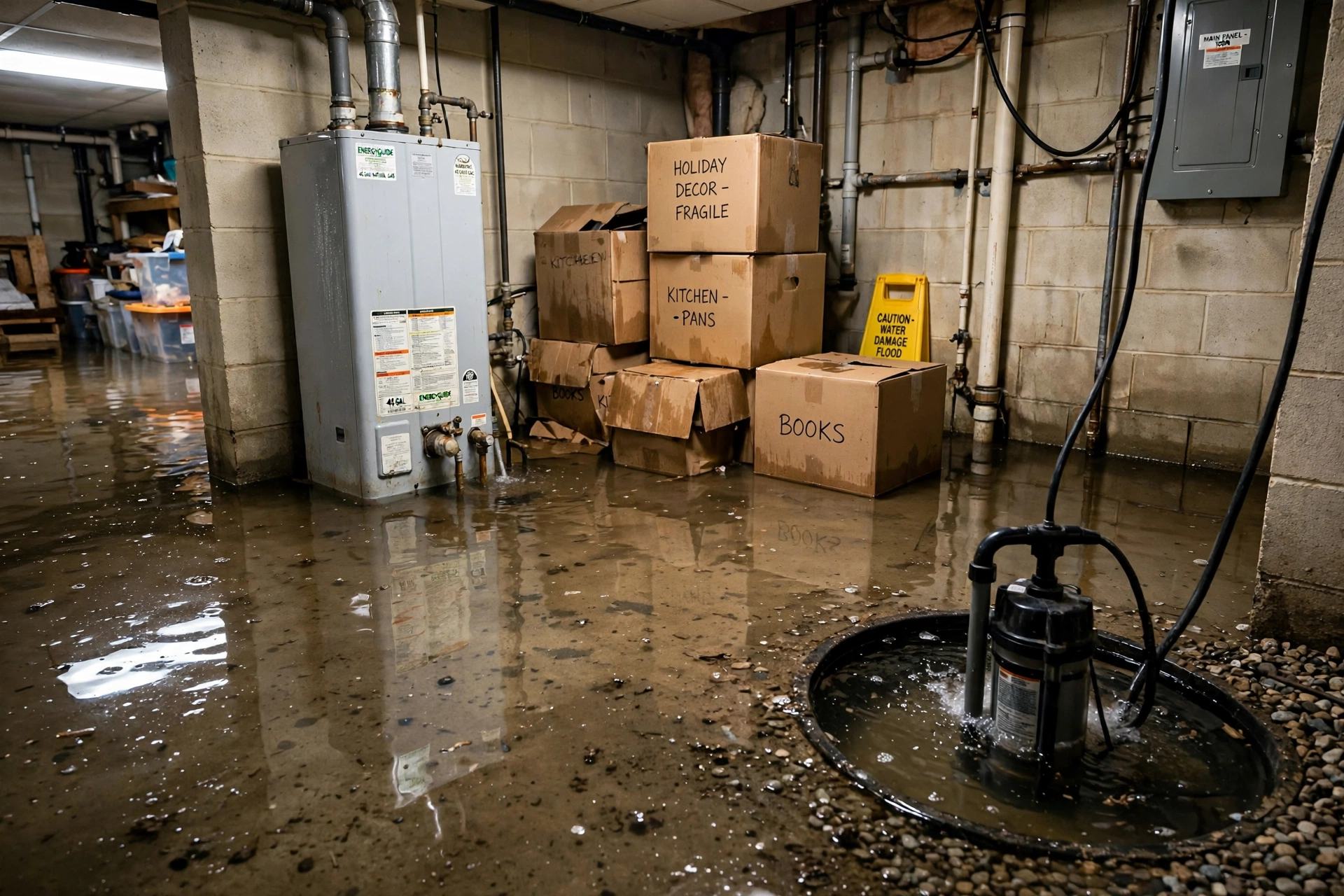
How do you know if mold is growing where you cannot see it?
Mold often grows where you cannot see it, so the signs matter more than the sight of it. A musty smell is the most common early sign. It smells like damp earth, rotting wood, or wet leaves, and it gets stronger after rain or in humid weather. If one room smells musty and the others do not, start there.
Water stains and discoloration come next. Look for dark rings, yellow or brown stains, peeling or bubbling paint, cracking drywall, and walls that feel damp, cool, soft, or swollen to the touch. Staining that returns after you clean or repaint it is a red flag, because the moisture behind the wall is still active. Check behind furniture, along baseboards, around window frames, and under sinks first. If you had a flood, our guide on how long flood damage restoration takes in Morristown walks through drying, cleaning, and repairs day by day.
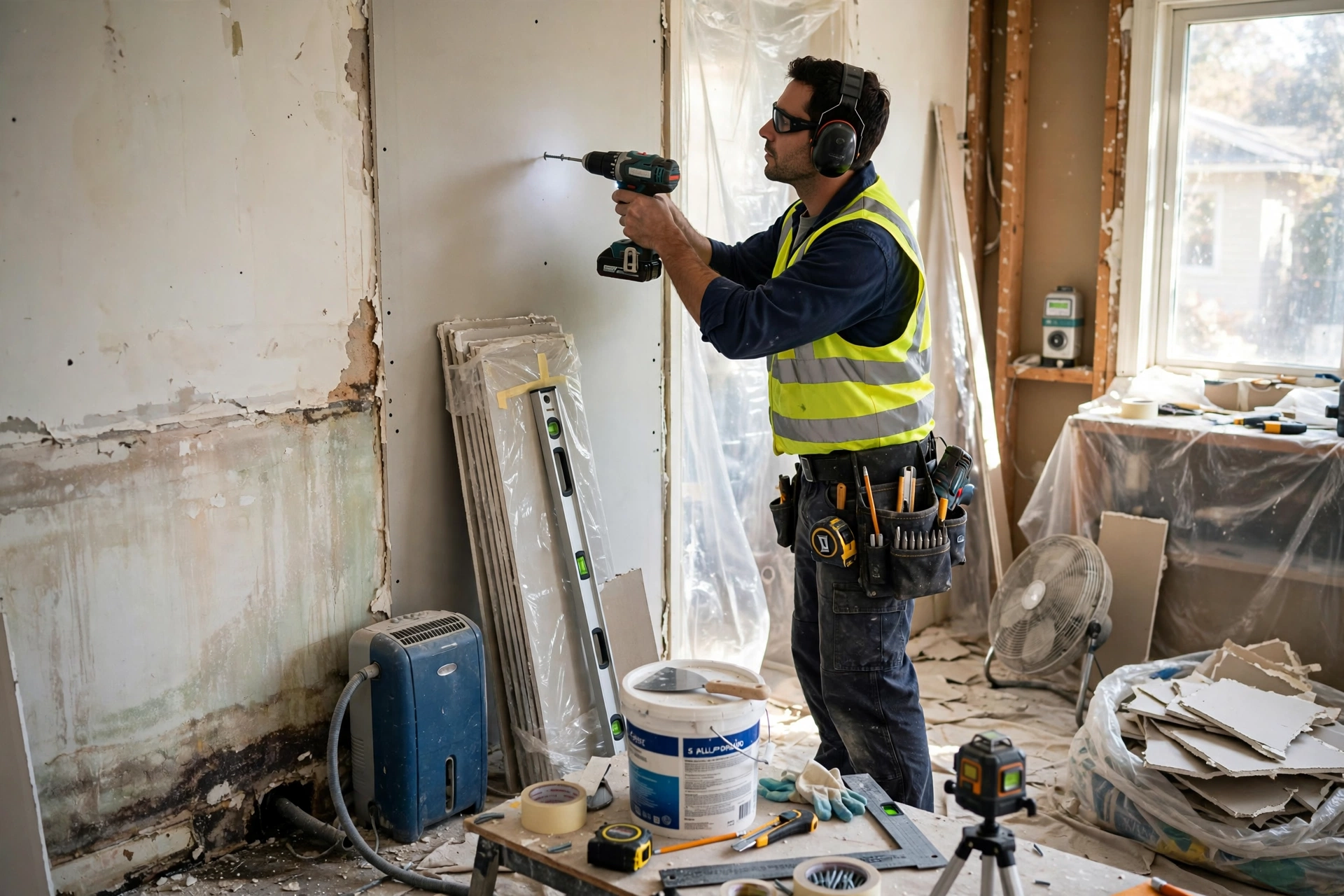
What should you do in the first 48 hours?
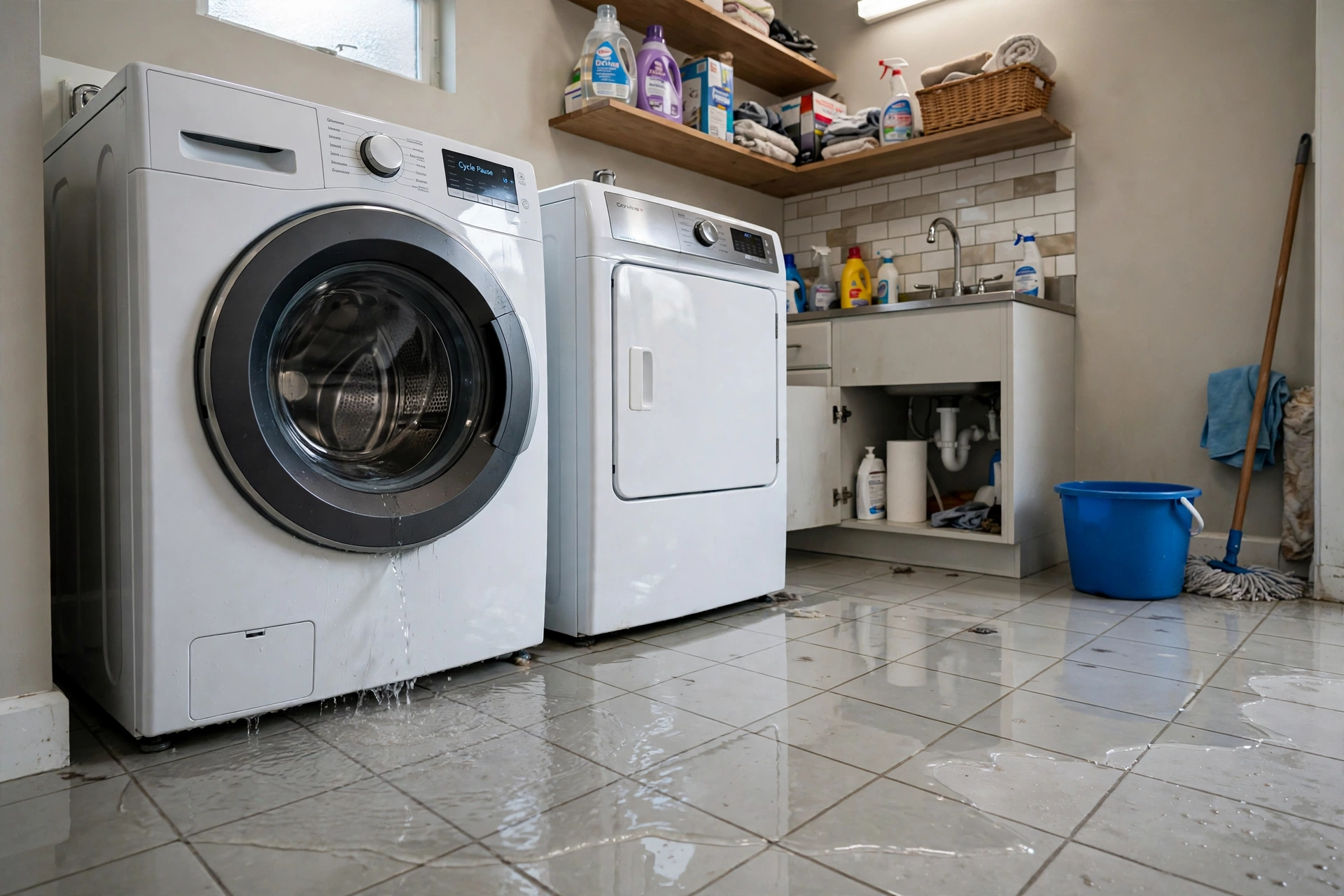
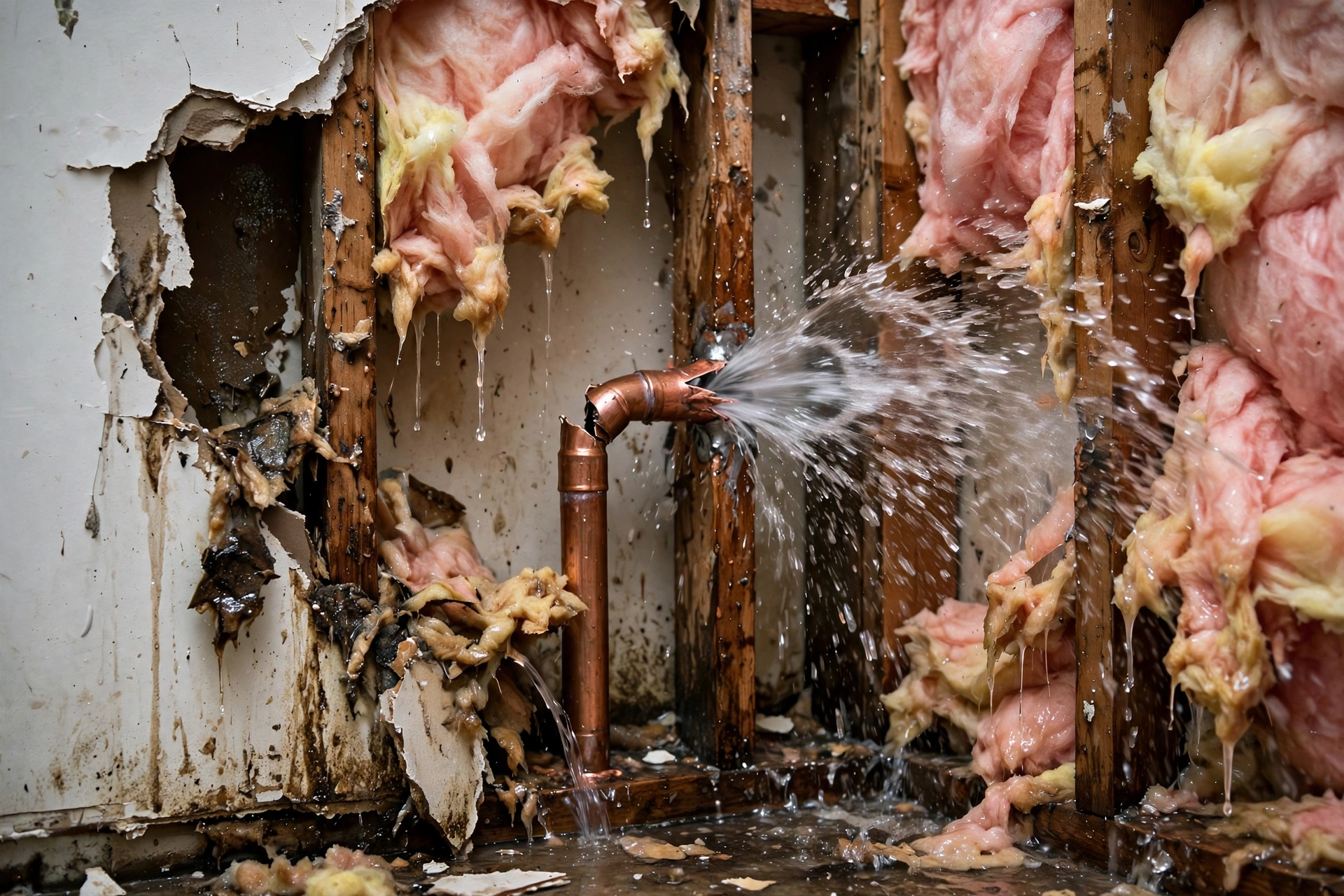
The first two days decide whether you have a drying job or a mold job. Stop the water if you can do it safely. Shut off the valve for a burst pipe or a leaking appliance, and stay out of water near outlets, a breaker panel, or a plugged in appliance. Move rugs, boxes, and small items to dry ground, and take photos before you move much, so you have a record.
Start drying the same day. Open windows if the outside air is dry, run fans to move air, and run a dehumidifier if you have one. Do not wait for the weekend. If the water came from a burst pipe, our guide on who to call when your basement floods in Morristown covers the first calls to make, and if it came from an appliance, our guide on what to do after an appliance leak in Morristown covers the smaller jobs that still need fast drying.
Do not paint over a wet stain, and do not brush or wipe visible mold. Brushing it or running a fan over it can spread spores into the air. Do not run a regular household vacuum on standing water. For the full drying process, including how moisture is measured day by day, see structural drying in Morristown.
How much does mold remediation cost in Morristown?
There is no single price, because the size of the affected area and how much material must be removed change every job. These are typical ranges from research only, not this business’s price. In New Jersey, mold remediation typically costs $450 to $8,000 or more. A small contained spot, like a bathroom ceiling patch under 10 square feet, typically runs $450 to $1,200. A flooded basement wall with saturated drywall and insulation often runs $3,000 to $8,000. Severe, widespread mold after a Category 3 water loss can run $8,000 to $15,000 or more. Inspection and testing usually add $300 to $600. Ask for an on-site inspection and a written scope before you agree to work, and be wary of any number given over the phone without seeing the job.
What does professional mold remediation involve?
Professional remediation follows the IICRC S520 standard, and it is very different from wiping a wall with cleaner. The first step is finding the moisture source and mapping how far it spread, using moisture meters and sometimes thermal imaging. Then the work area is contained with plastic barriers and negative air pressure, so spores do not spread to clean rooms while the work goes on.
After that, mold colonized porous materials are removed, not cleaned, because mold grows into the material itself, not just on the surface. Drywall that has been saturated is usually cut out at least 12 inches above the water line. Air scrubbers with HEPA filtration run during the work, hard surfaces are cleaned and treated, and the area is dried until moisture readings reach the dry standard.
For the full service, see mold remediation in Morristown, which covers inspection, containment, removal, and drying after water damage.
Will insurance cover mold in New Jersey?
It depends on what caused the mold. A standard homeowners policy usually covers mold that followed a sudden, covered water loss, such as a burst pipe that soaked a wall and grew mold within 48 hours. It usually does not cover mold from a slow leak that went unnoticed for weeks, from everyday humidity, or from deferred maintenance. Flooding from outside, like rising river water, usually needs separate flood insurance.
If you think you have a claim, call your insurer promptly, take photos, keep a list of damaged items, and ask what documentation it needs before damaged materials are thrown away.
How to keep mold from coming back
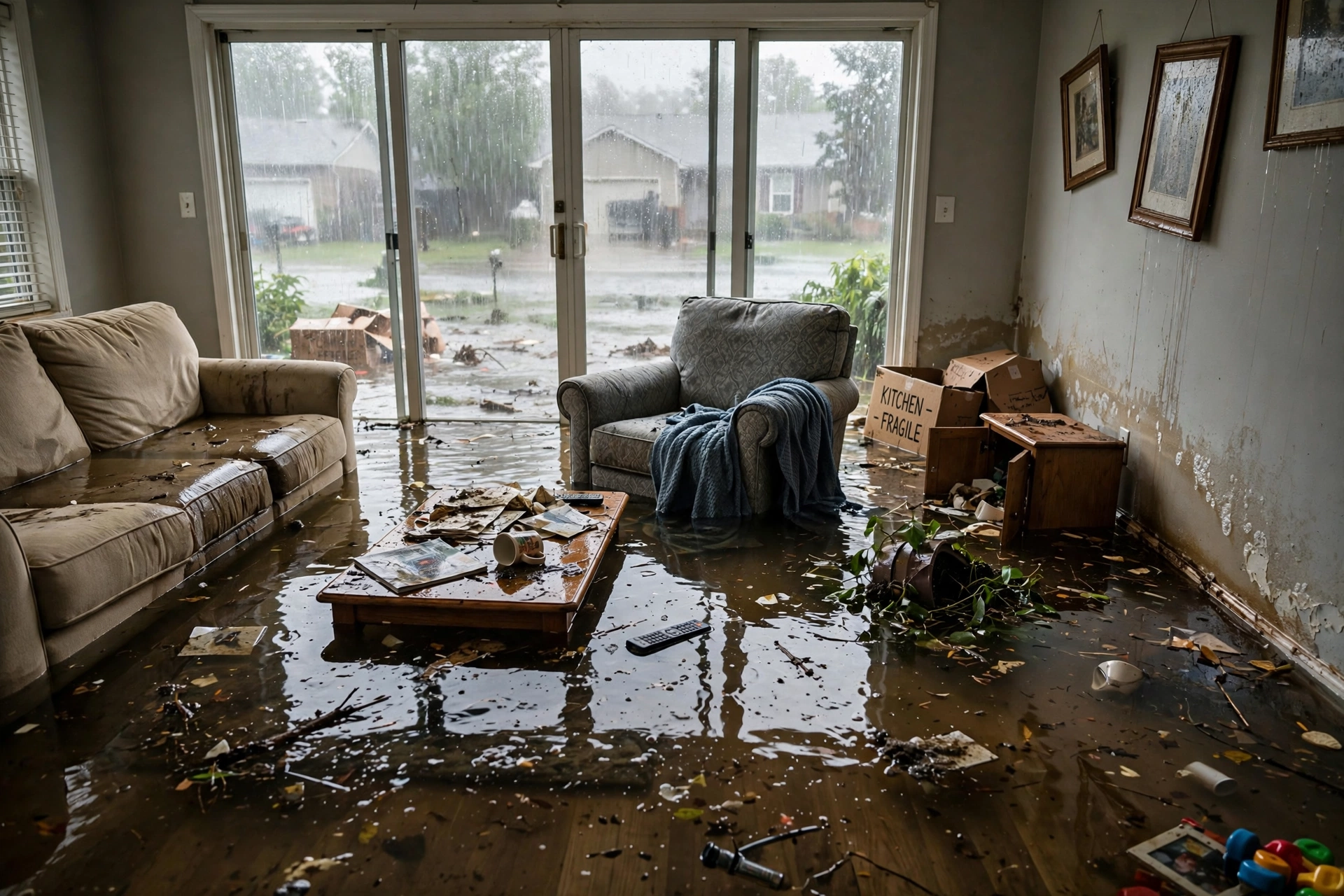
Remediation removes the active colony. Prevention keeps it from returning, and prevention is about moisture, not cleaning. Fix the leak or the entry point first, because mold will return to the same damp spot if the water keeps coming. Dry wet areas within 24 to 48 hours whenever you can. Keep indoor humidity between 30 and 50 percent, and use a dehumidifier in the basement in summer. Make sure gutters and downspouts move water away from the foundation, and check the basement after heavy rain. In winter, watch for ice dams and roof leaks, a common Morristown source of hidden wall moisture. New Jersey added a Flood Hazard Disclosure Law that took effect on March 20, 2024, so sellers must disclose known flood risk.
Morristown mold growth FAQs
How long does it take for mold to grow after water damage?
Mold can begin growing on wet porous materials within 24 to 48 hours, according to EPA guidance. Visible colonies usually take 3 to 7 days to appear, and sometimes up to 12 days. The clock starts when the material gets wet and stops only when it dries.
Can mold grow in 24 hours after a leak?
Spores can start germinating within the first day on a wet surface, though nothing is visible yet. A small leak that stays wet behind a wall or cabinet can start growing mold in that first day, which is why even a small leak deserves fast drying.
How do I know if I have hidden mold in my walls?
Look for a musty smell, water stains, peeling paint, and walls that feel damp or soft. Staining that returns after cleaning or painting is a strong sign. If your home had flooding, a burst pipe, or a roof leak, the wall cavities in that area are the first place to check.
Is black mold dangerous?
Some molds, including Stachybotrys chartarum, are linked to health concerns, and mold exposure can cause respiratory irritation and worsen existing conditions, according to the CDC. Any large or hidden growth should be checked by a professional rather than cleaned by hand.
Can I clean mold myself?
A very small surface spot on a hard, non porous surface can sometimes be cleaned with household products, following EPA guidance. Mold inside a wall cavity, across a large area, or after flooding needs professional remediation, because wiping the surface does not reach the growth inside the material.
How much does mold remediation cost in Morristown?
Typical ranges from research put New Jersey mold remediation at $450 to $8,000 or more. A small spot often runs $450 to $1,200, a flooded basement wall $3,000 to $8,000, and severe widespread mold $8,000 to $15,000 or more. Inspection and testing usually add $300 to $600.
How long does mold remediation take?
A small contained job can take a day or two. A basement or multi room job with drying and clearance testing usually takes several days to a week or more. The timeline depends on how much material must be removed and how long drying takes.
Mold after water damage in Morristown? Call now
If water has been in your home for more than a day, the 24 to 48 hour window has already passed, and waiting only lets the growth spread. If you smell something musty, see staining, or found water behind a wall, do not wait for it to appear on the surface. Call (973) 240-9515 any time for mold remediation in Morristown. We answer emergency calls 24/7.