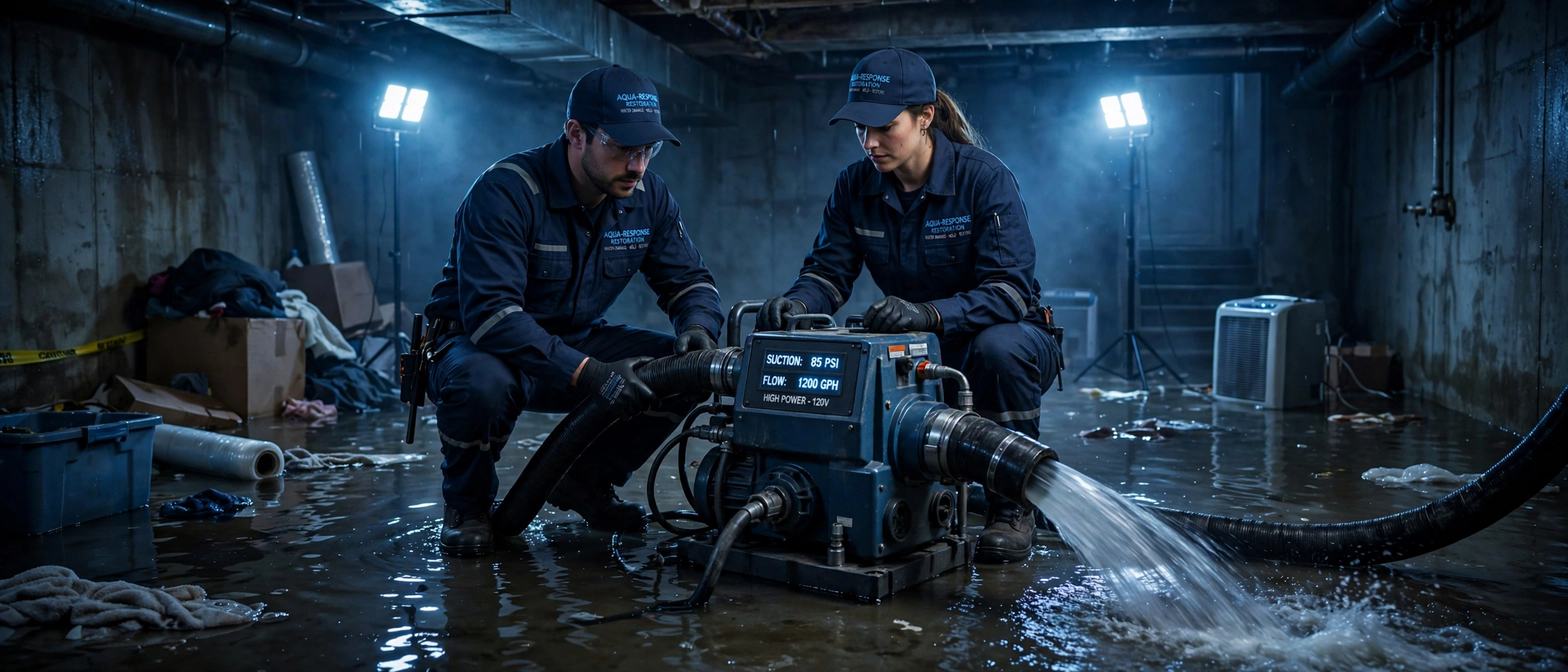
Who Should You Call When Your Basement Floods in Morristown?
You come downstairs on a rainy night in Morristown and hear it before you see it: water where it should not be. Who should you call when your basement floods in Morristown? The short answer is a local water damage restoration company, unless someone is in danger. Then call 911 first. This guide explains who to call for each situation, what to do in the first minutes, what cleanup usually involves, what it typically costs, and why Morristown basements flood so often.
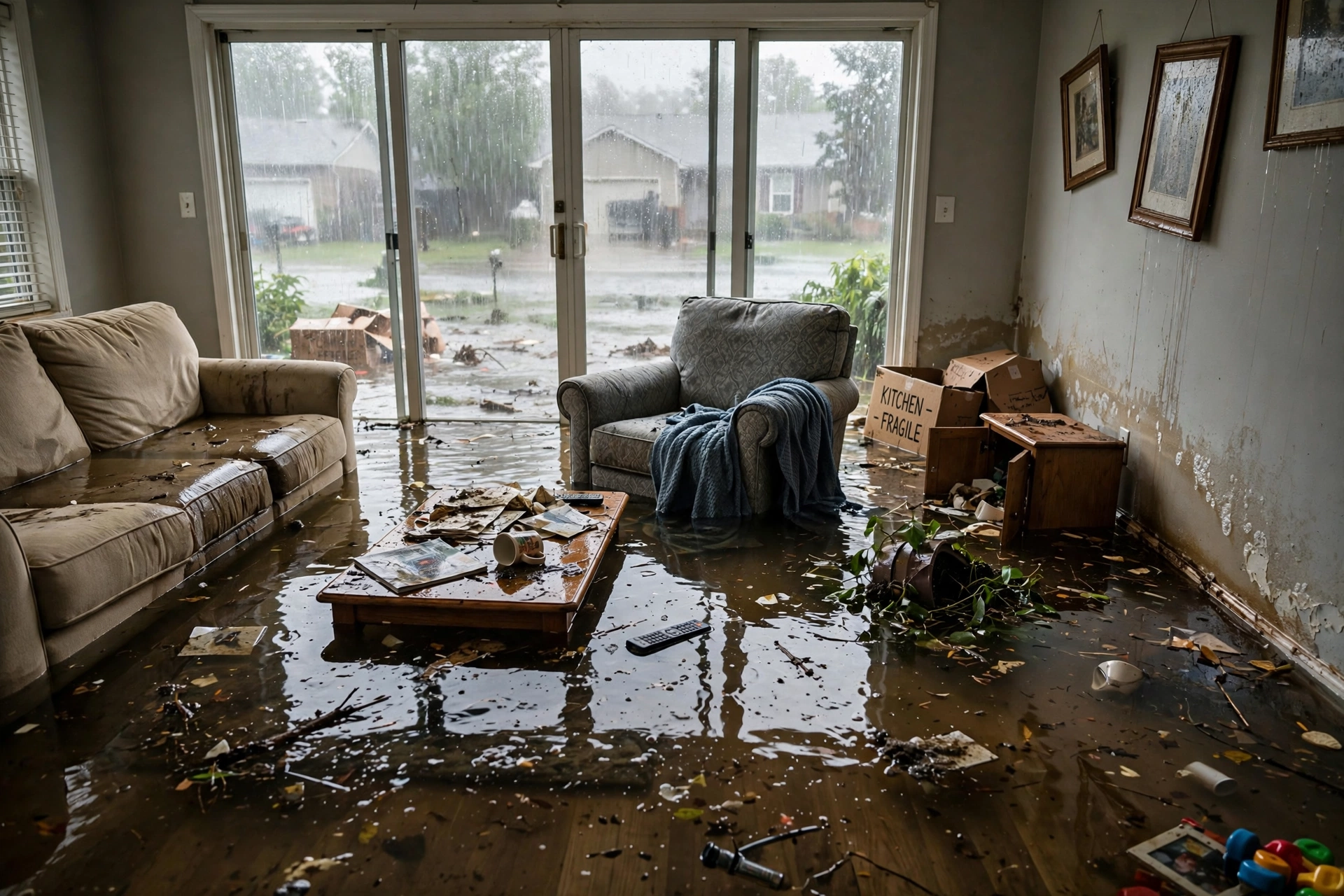
The short answer: who to call first in Morristown
For most flooded basements, call a local water damage restoration company first. That team can pump out standing water, remove wet materials that cannot be saved, clean and sanitize the area, and dry the structure with fans and dehumidifiers. If you only have time for one call, make it that one. You can also call (973) 240-9515 any time, day or night, for a water emergency in Morristown. The team aims to reach emergency calls in Morristown within 30 minutes.
Other calls may still be needed. Call 911 if anyone is in danger, if water is rising fast, or if you see sparks or smell gas. Call your electric utility if the breaker panel, outlets, or furnace are sitting in water. Call a plumber if a broken pipe, a leaking water heater, or a failed sump pump caused the flood. Tell your landlord or building manager right away if you rent. Call the town public works department if water is coming up from a floor drain or if the street is flooded.
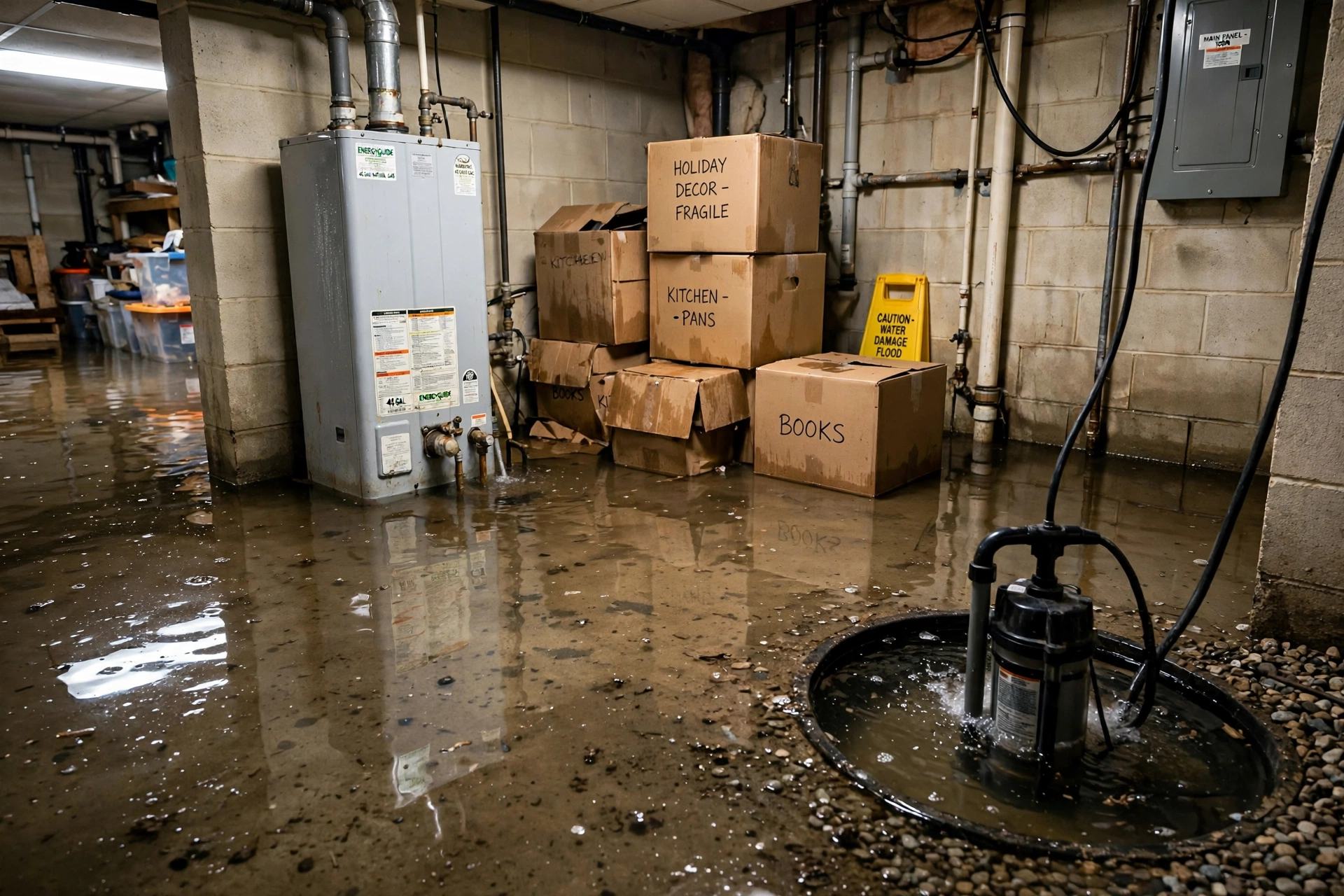
Do not wait for a waterproofing company while water sits. Waterproofing can help prevent the next flood, but it does not remove the water that is already inside. Pumping and drying come first. For the full service, see basement flood cleanup in Morristown, which covers pumping, drying, and cleanup for homes and businesses.
What to do in the first 10 minutes
Stay safe first. Do not walk into water that is near outlets, the breaker panel, or anything plugged in. Stay at the top of the stairs and look first. If the breaker panel is upstairs and dry, turn off the circuits for the basement. If the panel is in the basement or wet, leave it alone and call for help.
- Stop the water if you can do it safely. Shut off the water to a leaking pipe, water heater, or appliance, or shut off the main water valve.
- Take photos and short videos from the stairs. Record the water line on the walls, the floor, and any damaged items. These records help with insurance.
- Move valuables only if it is safe. Lift small items, papers, and electronics to dry ground. Do not wade into deep or dirty water to save a box.
- Call for help now, even if the water looks shallow. Water spreads under floors and behind walls, and the damage grows every hour. If water comes up through a floor drain or toilet, treat it as dirty water and keep out of it.
Why Morristown basements flood so often
Morristown has a mix of local features that make basement flooding more likely. The Whippany River borders lower parts of town, and its floodplain drives periodic flooding in low ground. The river forms a bend in The Hollow neighborhood, and homes near Speedwell Avenue, South Street, and the river corridor sit at direct stormwater risk during heavy rain.
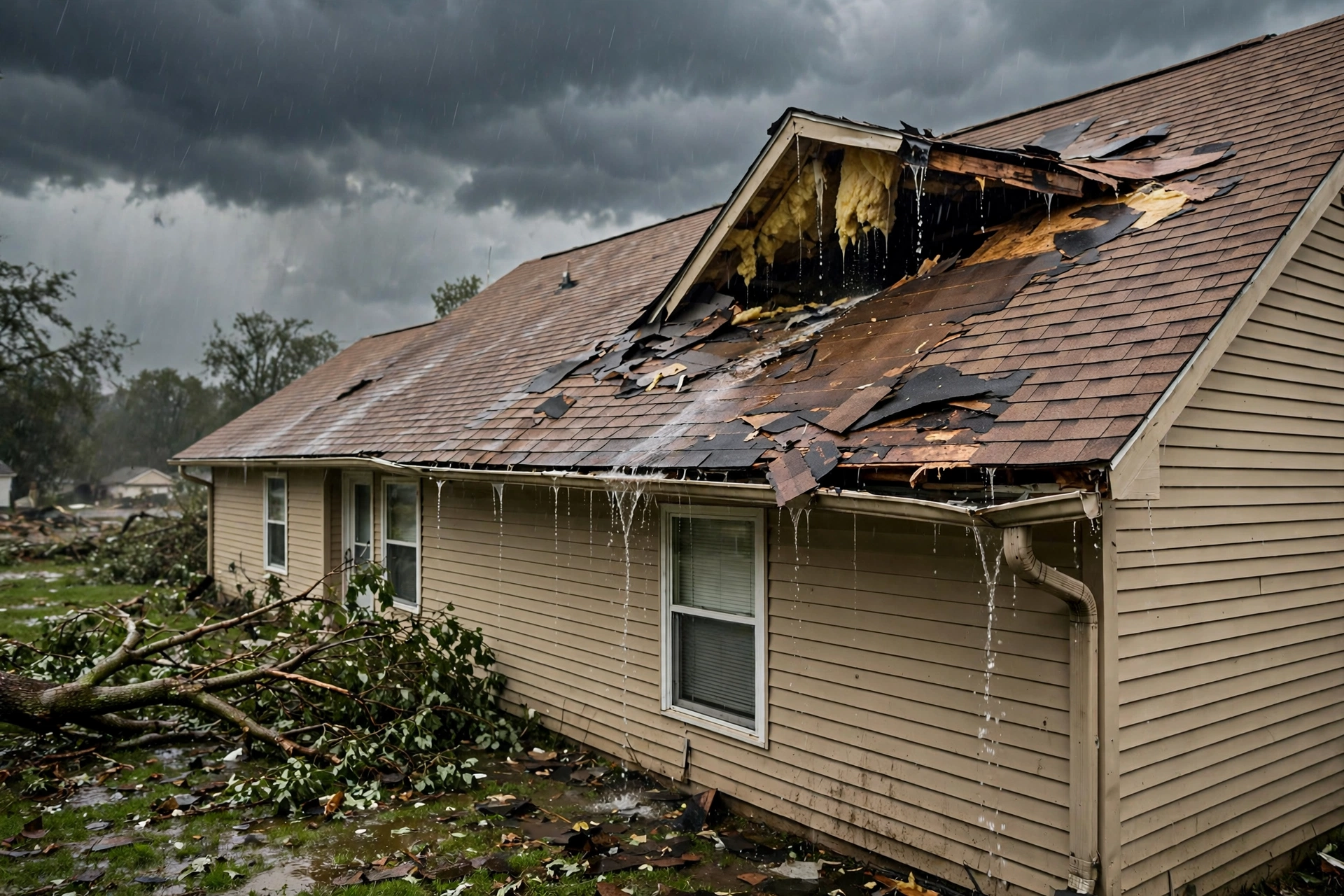
Many homes here are older, and that matters too. In the Historic District, Victorian and Edwardian homes were built with basements designed for coal storage and root cellars, not for finished living space. Stone foundations, aging plumbing, and corroded galvanized supply lines are common in older housing stock. Water can enter through cracks, at the joint where the wall meets the floor, through window wells, or up from the ground under the slab.
What happens after you call: from pumping to drying
Good cleanup follows a clear order. First, the crew checks for hazards, such as electrical risks, gas appliances, slippery stairs, and dirty water. Then they measure moisture in walls and floors to find water you cannot see. Pumping comes next, using submersible pumps for deep water and extraction tools for carpet and floors. See emergency water removal in Morristown for how pumping and extraction work.
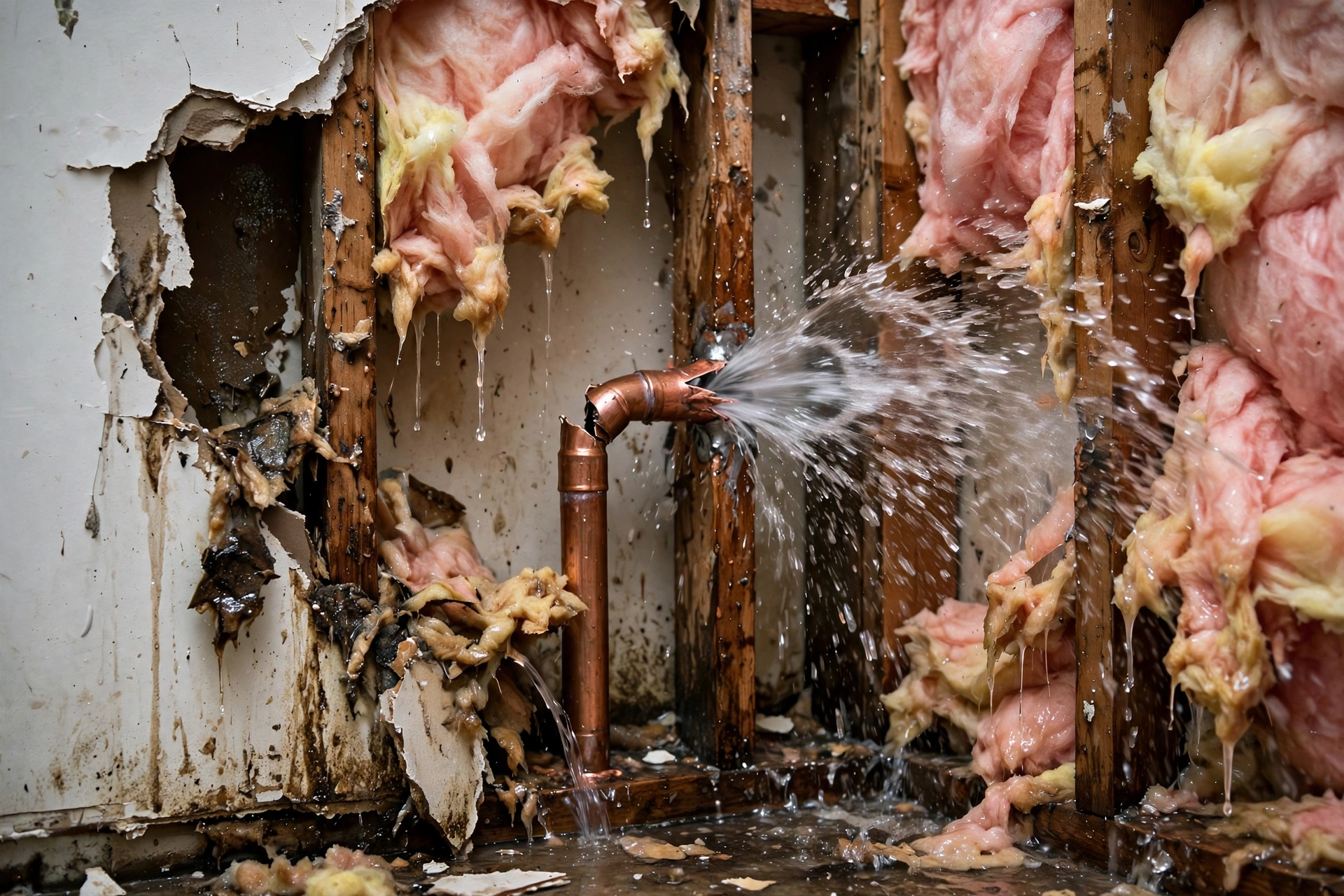
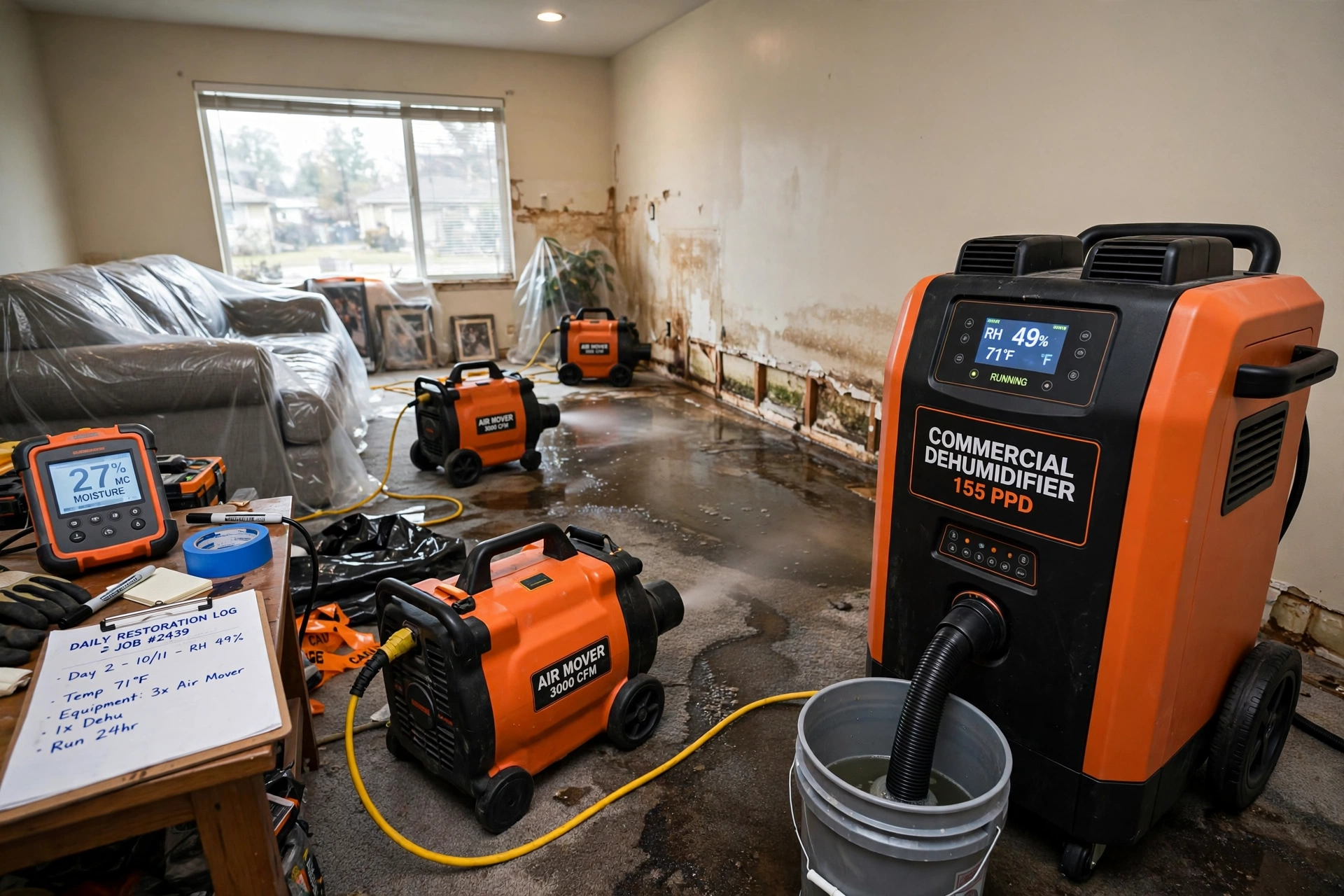
After the standing water is out, the crew clears mud, debris, and ruined contents so surfaces can be cleaned. Wet materials that cannot be dried, such as carpet pad, soaked insulation, and the bottom of waterlogged drywall, are removed. Then drying begins with dehumidifiers and air movers, which are high powered fans that move dry air across wet surfaces. Drying takes days, not hours, because concrete, block walls, and framing hold water and release it slowly.
How much does basement flood cleanup cost in Morristown?
There is no single price, because depth, size, water type, and how long the water sat all change the job. These are typical ranges from research only, not this business price. Google AI Overview results put standard water removal and drying at about $3,000 to $5,000, and full cleanup at about $3.50 to $7.25 per square foot. New Jersey guides from PuroClean put average basement cleanup in New Jersey at $3,000 to $10,000, or about $4 to $9 per square foot.
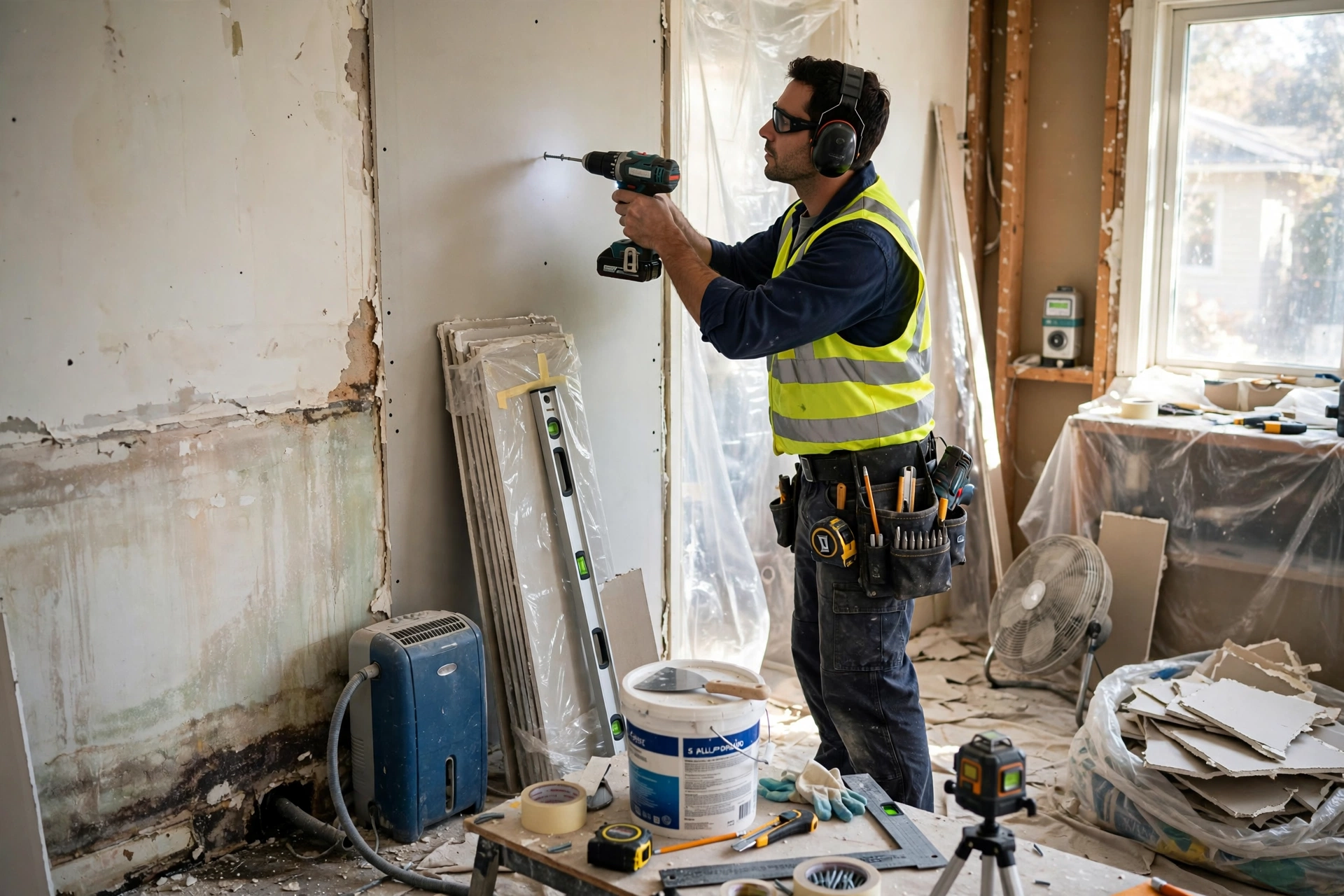
Finished basements usually cost more than unfinished ones, because carpet, pad, drywall, and insulation have to be removed and dried or replaced. Dirty water costs more than clean rainwater, and a basement that sat wet for days costs more than one pumped out the same night. Call (973) 240-9515 and describe what happened.
Mold risk: why speed matters after a flood
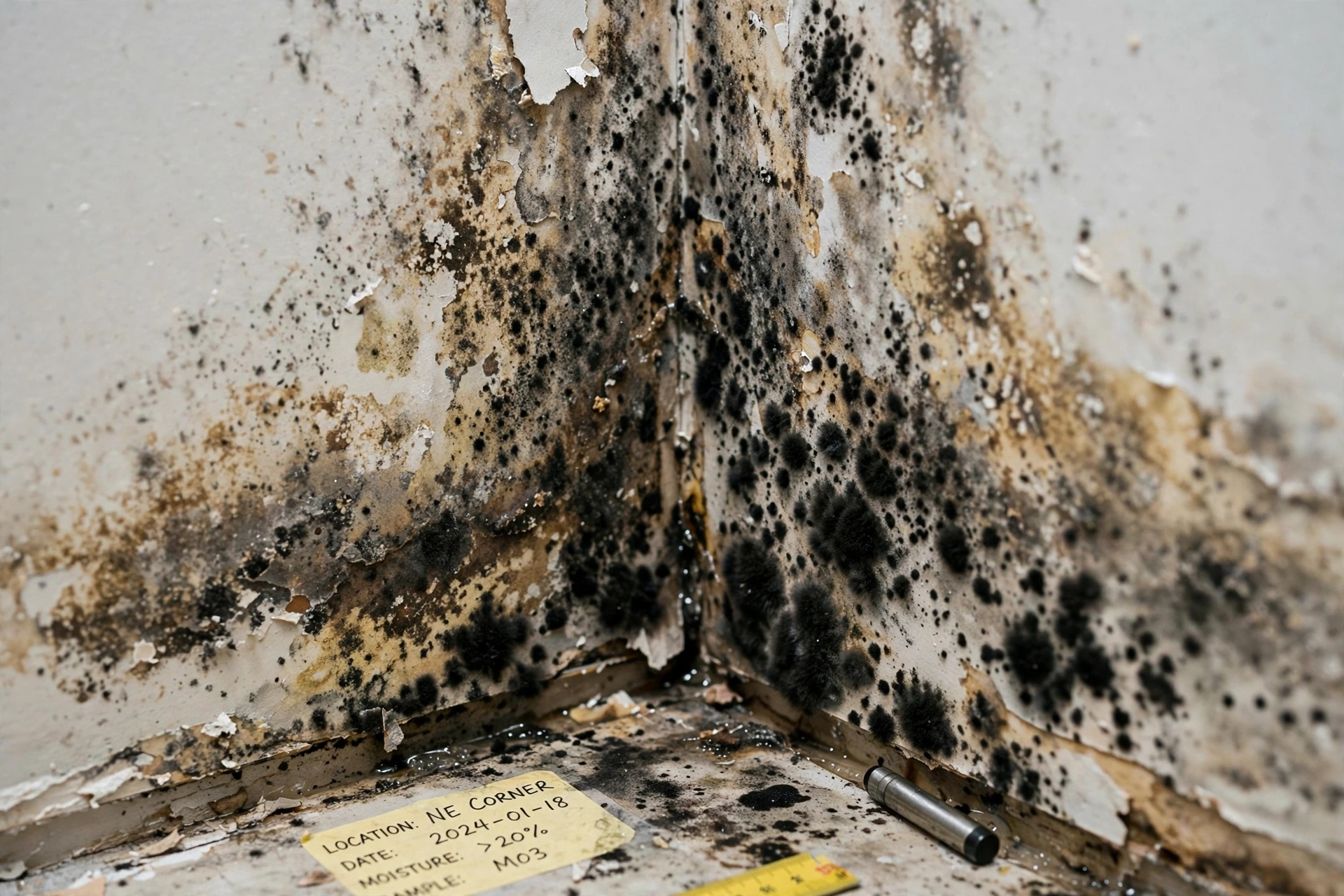
Basements are cool and damp, and mold can start within 24 to 48 hours once materials stay wet. That is the main reason speed matters. Fast drying is the best protection against mold. If you already see mold, do not brush it or run fans over it, because that can spread spores into the air. Do not paint over it either. It will grow back through the paint. If mold is found, see mold remediation in Morristown, which covers containment, cleaning, and drying after water damage.
How to choose the right company in Morristown
Ask these questions before you agree to work. Local customers, judging by review themes for the top Morristown restoration listings, care most about a fast answer, a clear plan, a crew that arrives when promised, and a team that explains what happens next.
- Do you answer emergency calls 24/7, and how fast can you reach Morristown?
- Will you check moisture with a meter, not just by sight, before you say the space is dry?
- Do you follow recognized drying standards, such as IICRC S500, for water damage work?
- Will you document damage with photos and readings for my insurance claim?
How to stop your basement flooding again
Cleanup deals with the damage. These steps cut the odds of a repeat. Test the sump pump before the rainy season, and ask a plumber about a battery backup and an alarm. Clear gutters, extend downspouts well away from the house, and check that the ground slopes away from the foundation. Keep window wells clear of leaves and debris. Ask a plumber about a backwater valve if your home has had sewer backups. Store items on shelves or in plastic bins instead of directly on the floor.
Morristown basement flooding FAQs
Who should I call first when my basement floods in Morristown?
Call a local water damage restoration company first, at (973) 240-9515, unless someone is in danger, water is rising fast, or you smell gas. In those cases call 911 first. A restoration crew can pump out water, dry the space, and tell you if a plumber or the town also needs to come. That one call covers most flooded basements in Morristown.
How much does it cost to pump water out of a basement in Morristown?
Pumping alone is usually the smallest part of the job. Typical ranges from research put standard water removal and drying at $3,000 to $5,000, and New Jersey cleanup at $3,000 to $10,000, depending on depth, size, and water type. A shallow, clean-water flood costs less than a deep, finished basement. Ask for an on-site assessment before you agree to work.
Is it safe to stay in a house with a flooded basement?
It depends on the water and the power. Clean rainwater in a shallow, unfinished basement is less risky than sewage, deep water, or water near outlets and the breaker panel. Stay out if you smell gas, see sparks, or feel unwell. If unsure, stay upstairs, keep children and pets out, and get advice before you go down.
How do I remove water from a flooded basement without a sump pump?
Use a wet and dry vacuum for shallow water, a portable utility pump with a hose to a safe drain outside, and towels and buckets for the last of it. Never use a regular vacuum. Work in stages, keep the hose clear, and stop if water is near power. For deep water or sewage, call a restoration crew instead.
Will homeowners insurance cover basement flooding in Morristown?
A standard homeowners policy may cover sudden water damage, such as a burst pipe, but it often does not cover groundwater, surface flooding, or a failed sump pump without extra cover. Flood damage usually needs separate flood insurance. Check your policy, take photos, keep receipts, and ask your insurer what your cover includes.
How long does it take to dry a flooded basement in Morristown?
Pumping often takes a few hours. Drying usually takes 3 to 5 days for a typical Morristown basement, and longer for finished rooms, thick walls, or water that sat for days. Fans and dehumidifiers run until moisture readings are back to normal, not just until the floor looks dry.
Why does my basement in Morristown keep flooding after heavy rain?
Many Morristown basements sit near the Whippany River, in low ground around Speedwell Avenue and South Street, or in older homes with stone foundations and aging pipes. Heavy rain fills the soil, groundwater pushes in at the wall and floor joint, and a sump pump can fail in the same storm. Fixing the source matters as much as drying the room.
Flooded basement in Morristown? Call now
If water is in your basement now, do not wait for it to dry on its own. It will not. Call (973) 240-9515 any time for basement flood cleanup in Morristown. We answer emergency calls 24/7 and aim to reach emergency calls in Morristown within 30 minutes.